


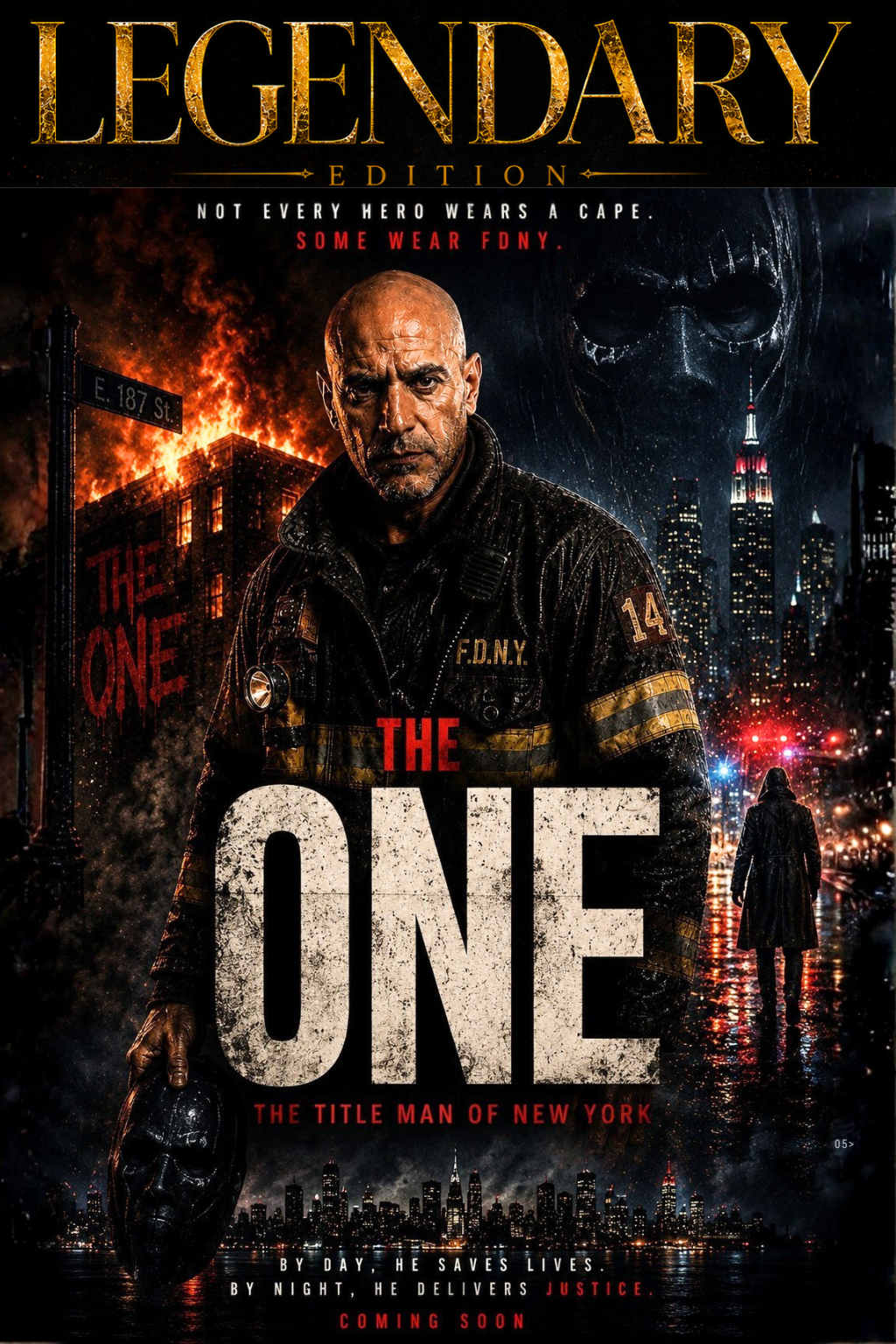
The Heat of the Moment
Seven days. Three countries. Two continents. Three languages. Nearly 500 million people in the background of the story… and one man is becoming impossible to ignore. The One Man is taking over the world. Not through scandal. Not through noise. Not through manufactured fame. But through something far more dangerous in today’s world: presence. The kind of presence that stops people mid-scroll. The kind that makes strangers stare at a screen longer than they intended to. The kind that feels less like content and more like a moment unfolding in real time. Because there is something about him. Something magnetic. On social media, the reaction has become impossible to ignore. Millions of views. Thousands of likes. Hundreds of comments flooding every post he touches.
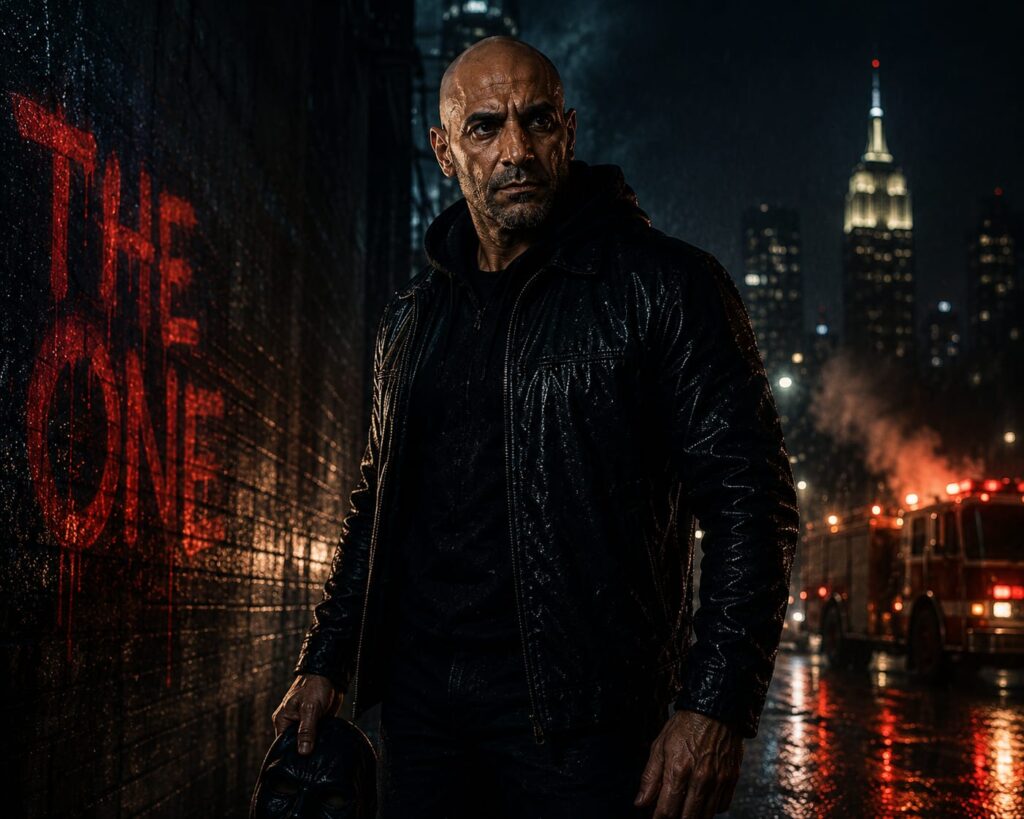
Different countries. Different audiences. Different languages. Yet the reaction remains strangely the same everywhere. “Who is this guy?” “This feels like a movie.” “Netflix needs to make this.” “I can’t stop watching this.” “This man has an aura.” “This is legendary.” People are not only watching. They are feeling something. And that is rare now. Modern culture moves fast. Attention spans disappear in seconds. Audiences scroll endlessly through perfectly curated lives, artificial personalities, rented luxury, empty motivation, and algorithmic noise. Most faces disappear the second they appear. But not his. The Title One Man stays in people’s minds long after the screen goes dark. Because what surrounds him does not feel manufactured. It feels lived. The imagery carries emotional weight. Fire in the background. Rain on the streets. Darkness mixed with light. A face that looks like it has survived pressure instead of avoiding it. He does not look polished.
He looks forged. And maybe that is exactly why people cannot look away. Over the last few weeks, his story has crossed borders at a speed nobody expected. From Mexico to Arabia to New York City, the imagery surrounding The One Man has evolved from magazine covers into something much bigger: a cultural atmosphere. Not influencer culture. Not celebrity culture. Mythology. The kind of mythology people used to feel when cinema still had soul. When masculinity still carried mystery. When heroes looked human instead of digitally perfected. There is an old-school energy surrounding him that audiences instinctively recognize. Not because it reminds them of one specific actor or character, but because it reminds them of a feeling they have been missing for years. Strength without performance. Intensity without noise. Power without begging for attention. The One Man never looks like he is trying to be seen. And that is exactly why people see him. In New York City — a place built on ambition, survival, reinvention, and pressure — authenticity still cuts through faster than perfection ever will. New York respects people who carry scars and still keep walking. The city understands fighters. It understands outsiders. It understands people who transform pain into identity. That is why this story belongs here.
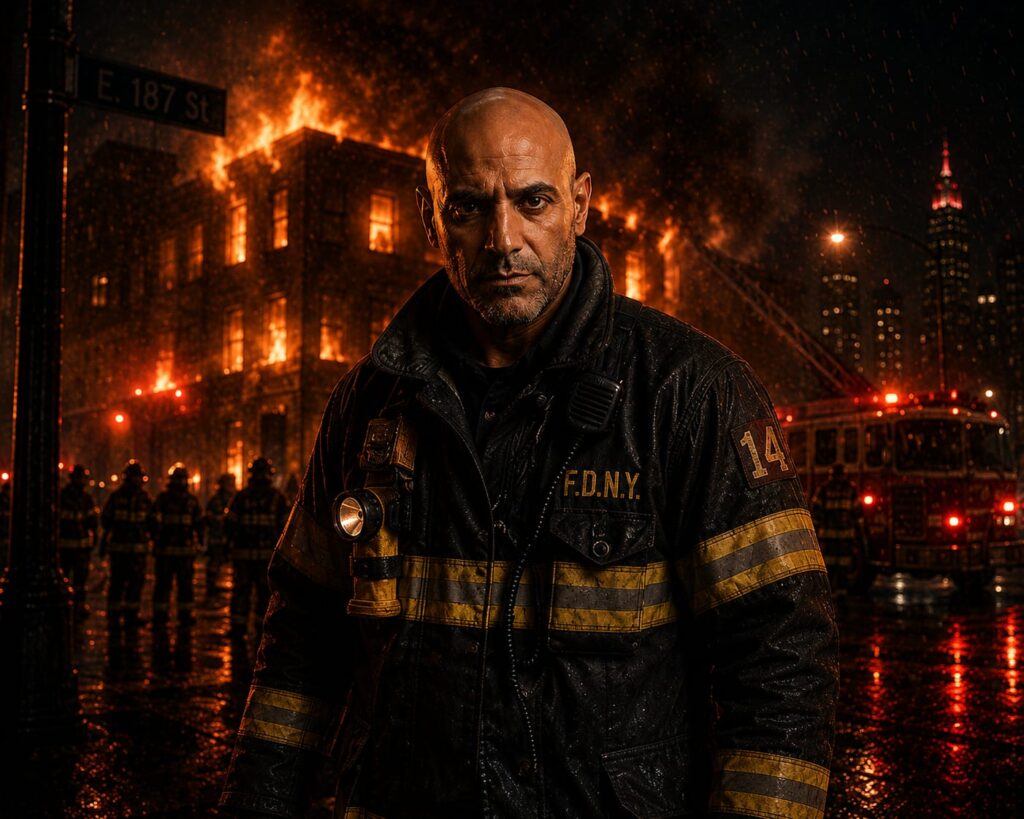
Because The One Man feels born from the emotional DNA of New York itself. Not the polished fantasy version sold online. The real one. The city of sleepless nights. Of exhausted dreamers. Of artists carrying invisible pain. Of workers who keep showing up no matter how hard life becomes. Of people rebuilding themselves again and again until they become impossible to break. The One Man represents that spirit. And audiences everywhere are recognizing it immediately. The firefighter imagery connected deeply for a reason. Not simply because it looked cinematic, but because it symbolized something universal: the man who walks into the fire while everyone else is running away. Not every hero wears a cape. Some wear scars. Some wear silence. Some wear the emotional weight of everything they survived. That emotional realism is what transformed the project into something bigger than visuals. Bigger than branding. Bigger than social media. Because aesthetics alone do not create obsession. Identity does. People project themselves into The One Man. Men see resilience. Women see grounded masculine presence. Dreamers see reinvention. Fighters see survival. Outsiders see someone who understands what it feels like to carry pressure quietly. That emotional projection is what gives the story power. And the internet feels it. The comments sections have become part of the phenomenon itself.
Hundreds of people are trying to understand why this character feels so different from everything else online. Some think it is a film campaign. Others think it is a television series. Some assume there must be a Hollywood studio behind it because independent projects are “not supposed” to feel this cinematic anymore. But perhaps the reason people are reacting so strongly is because reality has become so artificial that when something carries a genuine emotional atmosphere, audiences no longer know how to process it. The One Man feels real. Not because every frame is literal reality. But because emotionally, psychologically, spiritually — it is true. He represents every person who rebuilt themselves after life tried to destroy them. Every dreamer who refused to quit. Every survivor who kept going through exhaustion. Every man who walked through darkness without losing his soul. That is why the imagery spreads so naturally. People are hungry for archetypes again. Not influencers. Not perfectly optimized personalities. Archetypes. Protectors. Fighters. Survivors. Legends. The One Man carries all of it without saying much at all. And that silence may be the most powerful thing about him. In an era where everyone is screaming for attention, mystery becomes magnetic. The eyes tell the story first. Not ego. Not performance. Weight. The kind of weight that only exists in people who have truly lived. That emotional gravity creates fascination. It creates tension. It creates obsession. And once audiences become emotionally invested, momentum starts moving faster than strategy itself. That is exactly what is happening now. The One Man is no longer simply appearing on magazine covers. He is becoming a symbol. A symbol of reinvention. A symbol of resilience. A symbol of masculine identity rebuilt through fire instead of performance. And culture responds powerfully to symbols. Especially during moments when people feel emotionally disconnected from almost everything around them. The timing of this phenomenon could not be more perfect. Audiences everywhere are exhausted by fake perfection. Exhausted by content without soul. Exhausted by personalities engineered entirely around algorithms. People miss emotional storytelling. They miss atmosphere. They miss characters who feel larger than life while still painfully human. The One Man sits directly in the center of that hunger. Part noir mythology.
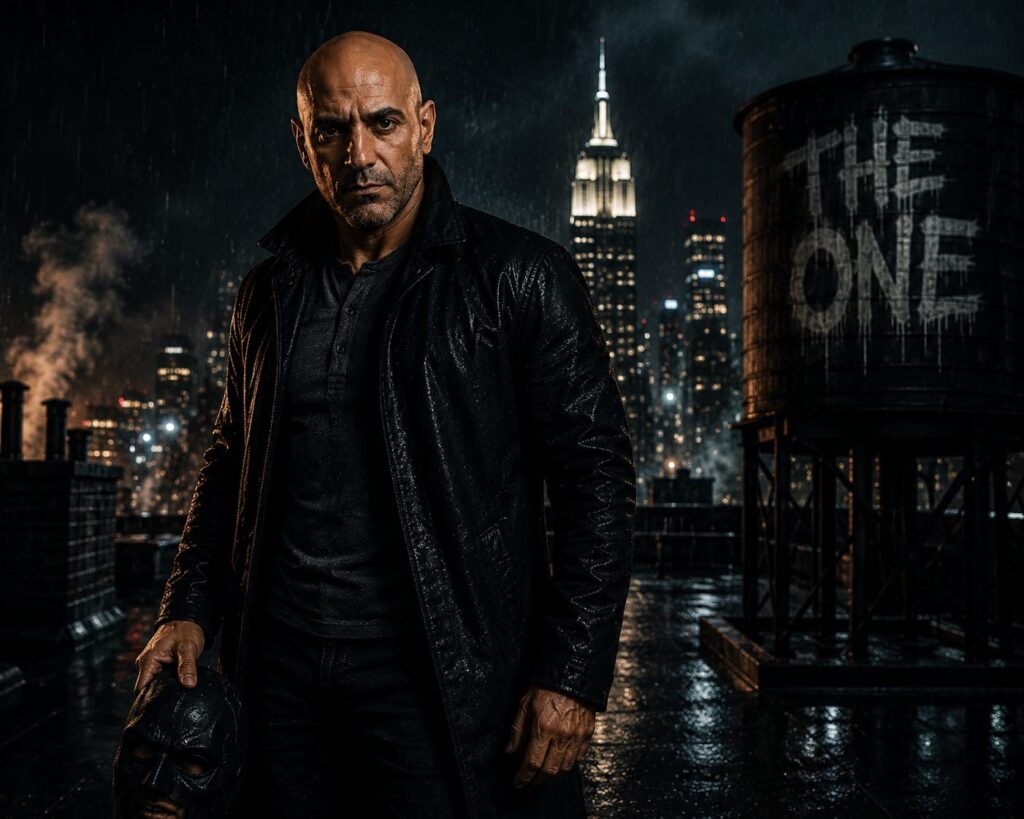
Part emotional mirror. Part modern legend. And legends have always belonged to New York. Because New York does not crown people for being safe. It crowns people for becoming unforgettable. The fire behind him is symbolic in more ways than one. Fire destroys illusion. Fire strips away weakness. Fire reveals what survives pressure. And The One Man feels like someone who has already burned through fear, expectations, and old identities. What remains now is something sharper. Purpose. That purpose is beginning to move internationally at a speed nobody predicted. Millions of eyes are watching. Thousands of people are sharing. Hundreds are talking. And every new audience seems to arrive at the exact same conclusion: There is something about him. Something impossible to fake. Something impossible to teach. Something impossible to ignore. The Heat of the Moment is no longer coming. It is already here. And right now, from the streets of New York to audiences across continents, one thing is becoming undeniably clear: The One Man is taking over the world and you are following
